
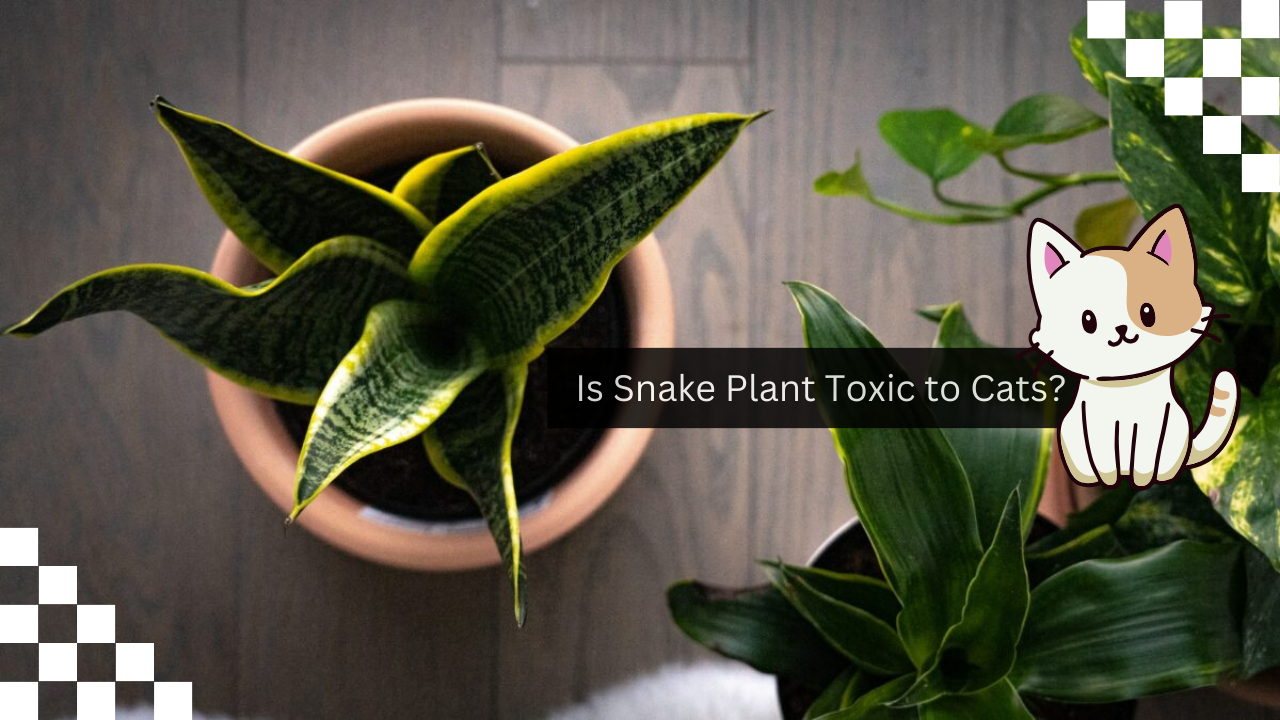
The infamous low-maintenance home plants, snake plants are great when it comes to plantations for newbies; they are resilient, easy to take care of, and survive on minimum care, yet they are aesthetically appealing, and they are also beneficial for air purification and the removal of toxins such as formaldehyde, benzene, and trichloroethylene.
However, pet parents might raise the question of whether these plants are safe for their pets, especially for cats! Sorry to break the bubble, but the answer would be no! The snake plants are toxic to cats. And there are risks that pet owners should be aware of!
Is Snake Plant Toxic to Cats? 🙀
Since these plants originate from the tropical regions of Africa and Asia, they contain toxins such as saponins, which are naturally in the snake plant’s leaves and act as a defense mechanism and keep them safe from insects and microorganisms.
Symptoms of Snake Plant Poisoning in Cats
Now there are more chances that your cat has ingested the snake plant, and there are common symptoms for that! Such as loss of appetite, vomiting, diarrhea, and drooling. These are the common symptoms, but in some serious cases, your cat might feel dehydrated from excessive vomiting and diarrhea. This is where you should take your cat to the vet immediately!
The initial steps you should take if your pet has consumed the snake plant
In case you catch your cat consuming the snake plants, it requires you to act quickly, and here are some simple steps you can take:
1. Take away the snake plant.
Take the plant immediately out of your pet’s reach; if possible, keep it somewhere your pet can never reach!
2. Lookout for symptoms.
Simply observe your cat’s behavior and look out for any signs of food poisoning, such as vomiting. Note those symptoms thoroughly.
3. Contact your veterinarian.
Contacting your local vet for advice and even help would come in handy, and providing the proper details about the snake plant and the symptoms you noticed!
How do you prevent your pet from eating snake plants?
To keep your house a safe environment for your pets, you must prevent their potential harm from snake plants. Even though the plants bring huge advantages to your house, taking some ground steps for your furry friends is essential and advisable!
1. Locating the plant out of your cat’s reach
If you don’t want to remove your snake plant from your home you can put the snake plant out of your cat’s reach such as a higher cabinet or hanging cabinet or a close-off room where your cat can’t reach the plant.
2. Training your pets
Training your cat to avoid consuming houseplants as food comes in handy because their digestion system is more sensitive than a human. A pet owner must provide proper training to their pets!
3. Choosing pet-safe plants
For household plants, some plants are non-toxic to cats such as spider plants, Money tree plants, and many more!
FAQs
Yes, unfortunately, it can. When I researched snake plants for my home, I found out they contain saponins, which are toxic to cats. If a cat chews the leaves, it may cause vomiting, drooling, diarrhea, or stomach irritation.
If my cat ever chewed on a snake plant, I’d immediately move the plant away and watch for symptoms like vomiting or unusual behavior. I’d also contact a veterinarian as soon as possible to stay on the safe side.
Yes, kittens are even more vulnerable because they tend to explore and chew on plants more often. I always recommend keeping snake plants completely out of reach if you have a curious kitten at home.
Personally, I’d only keep one if I could place it somewhere my cat could never access, like a closed room or a high hanging shelf. If that’s not possible, I’d rather switch to a pet-safe houseplant for peace of mind.
If I wanted a safer option for my pets, I’d choose plants like spider plants, money trees, or areca palms. They still look beautiful indoors without posing the same risk to cats.
Conclusion
Even though the snake plants are easy to care for and also are attractive, they are a risk for cats because of their toxic saponins. Pet owners must stay proactive to keep their pets safe along with the snake plants, placing them out of reach from their cats and opting for a safe environment for your cats! If your cat ingests the snake plant, Veterinary caste is a must for their well-being!
Also Read: