
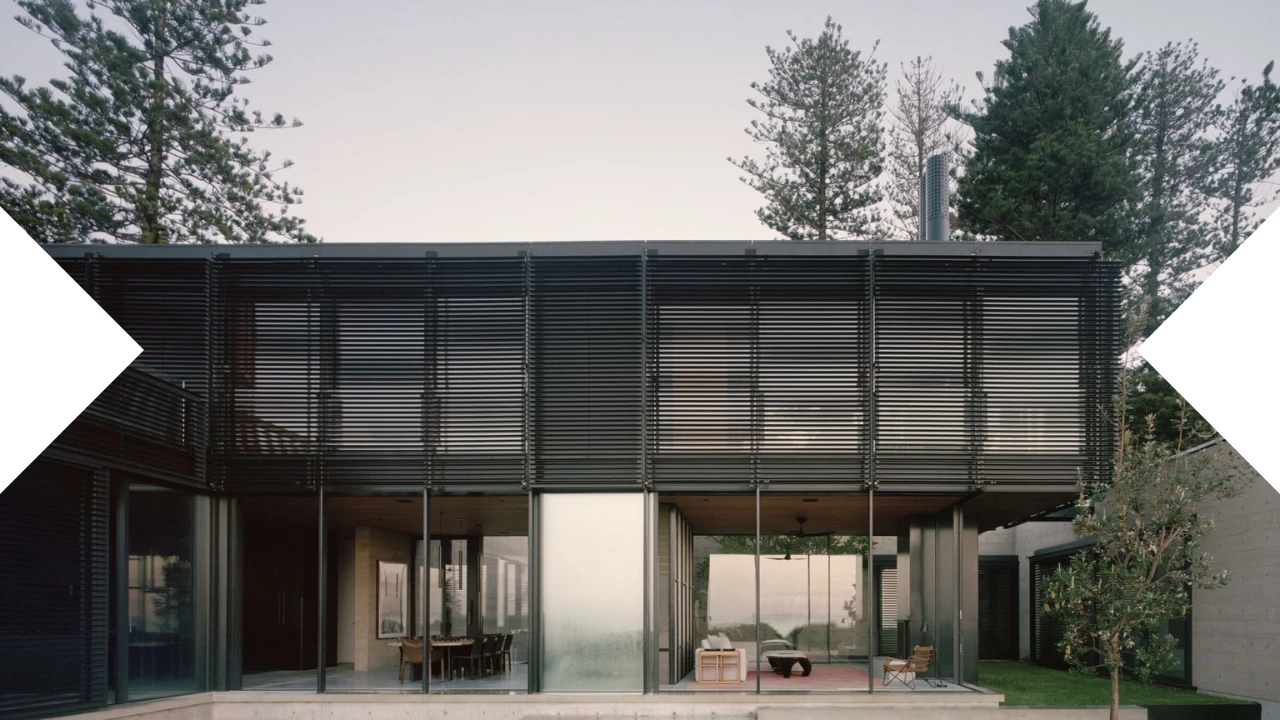
This stunning house is located in the sand of bilbola beach.
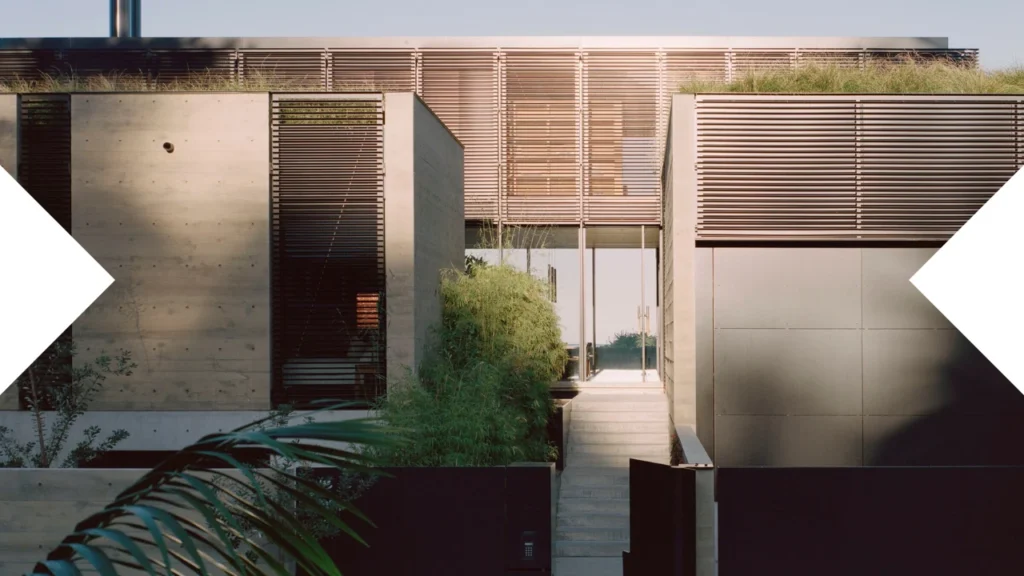
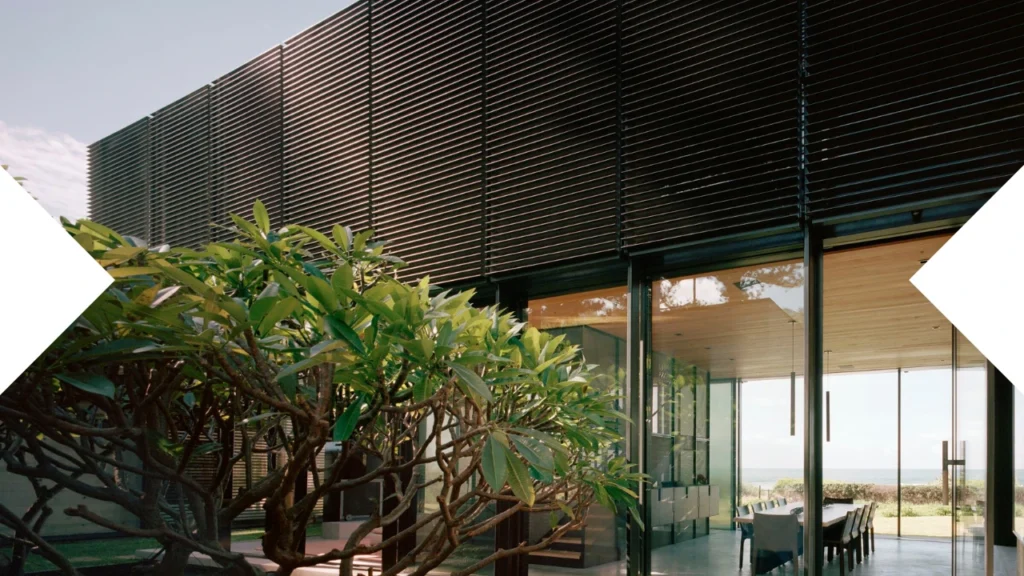
It covers 9,400 ft² area. It’s a quite luxury family house located in the northern coast of Sydney Australia. The entrance of Bilgola Beach House is surrounded by palm trees and Norfolk pines.
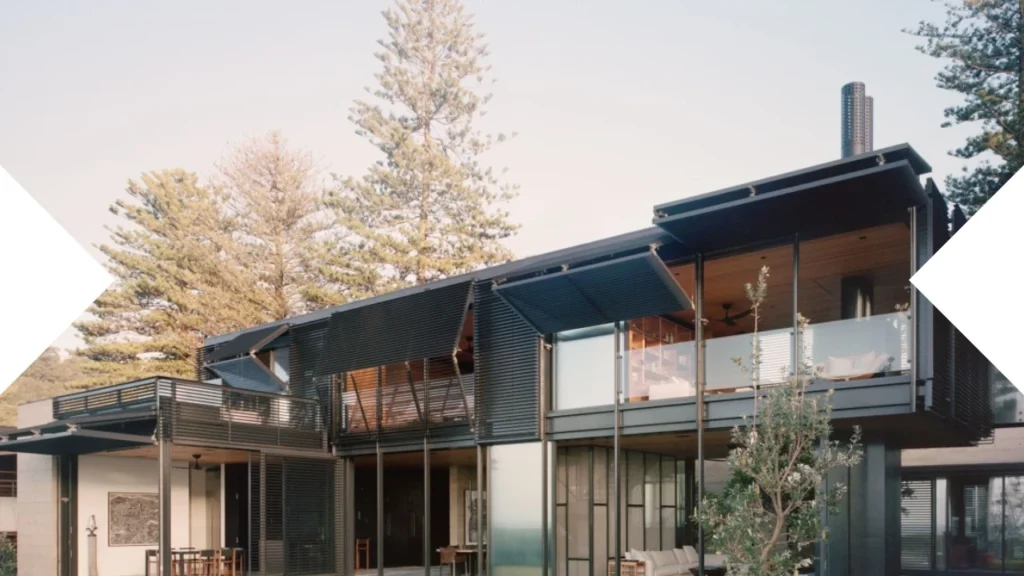
This house is special design to withstand Australia’s great climate conditions like harsh sunlight, flooding and high winds. Structure is set on concrete piles that allows send and water to move in and out beneath the building.
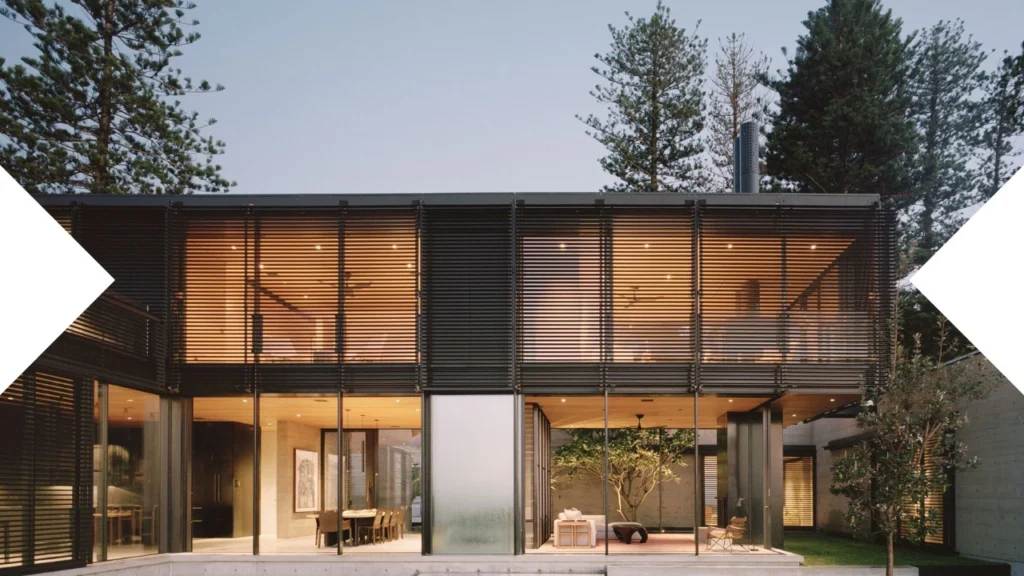
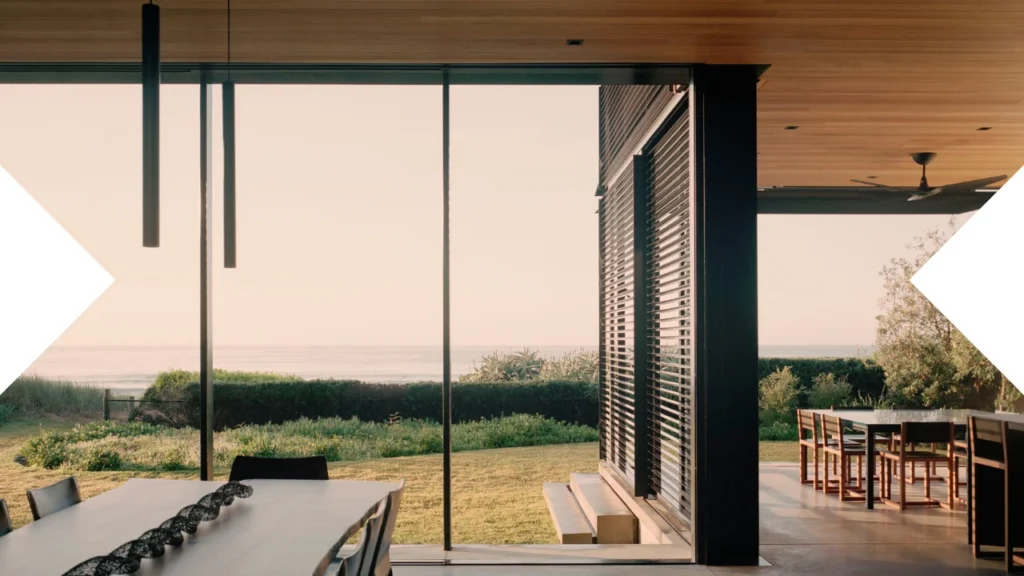
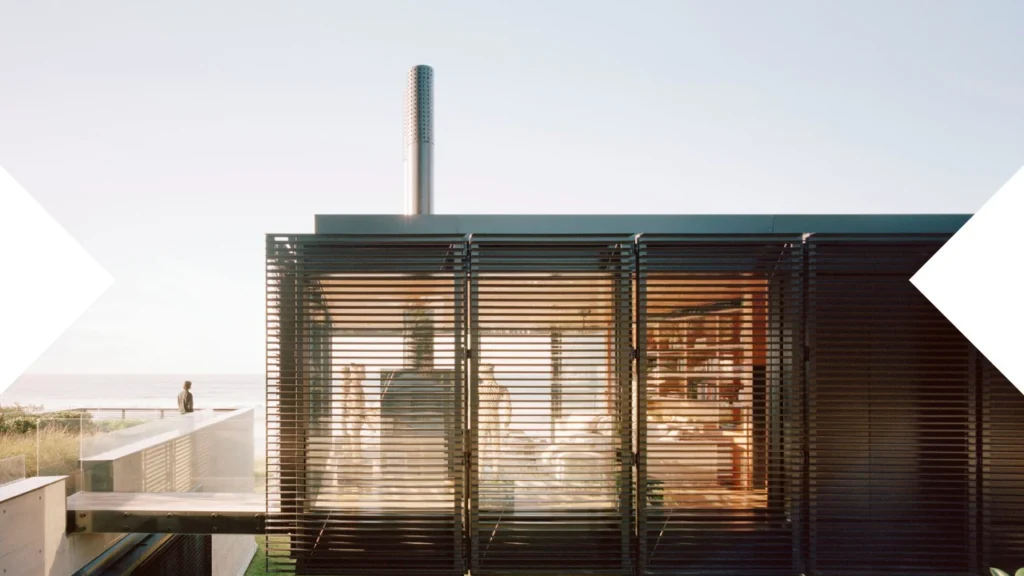
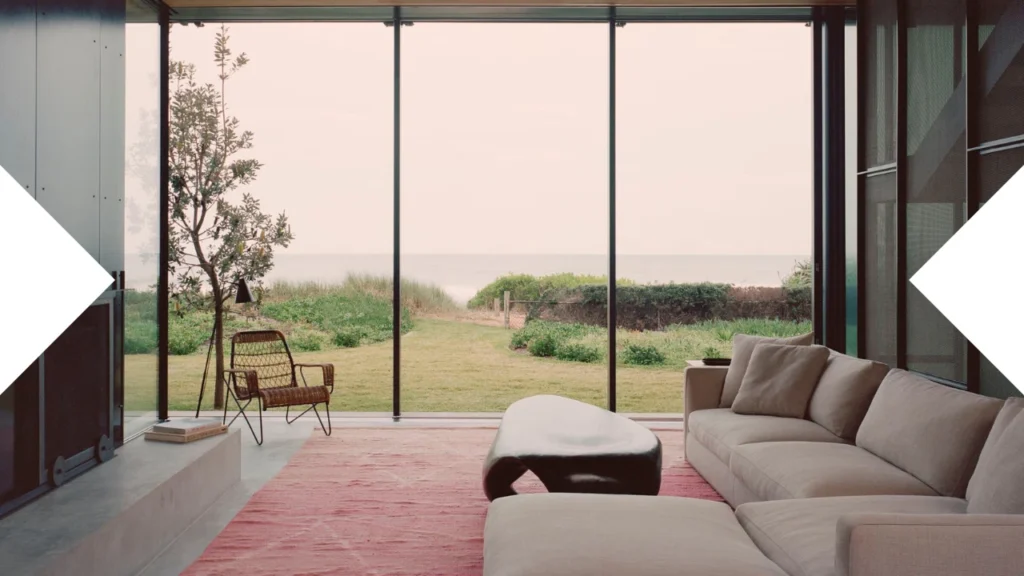
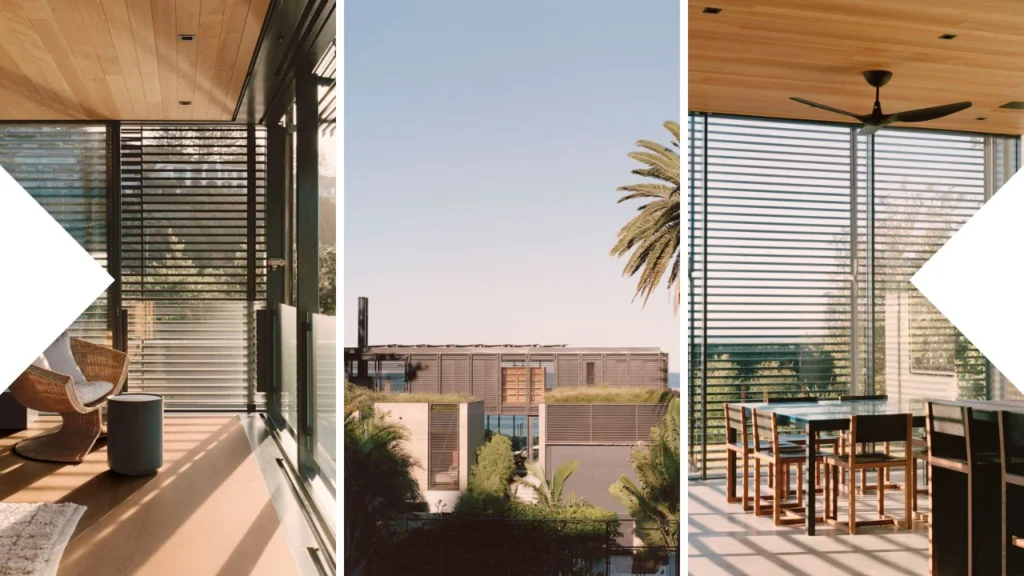
On the other hand the design allows the family to connect with the nature with shaded retractable window walls that much inside with outside and provide ventilation.
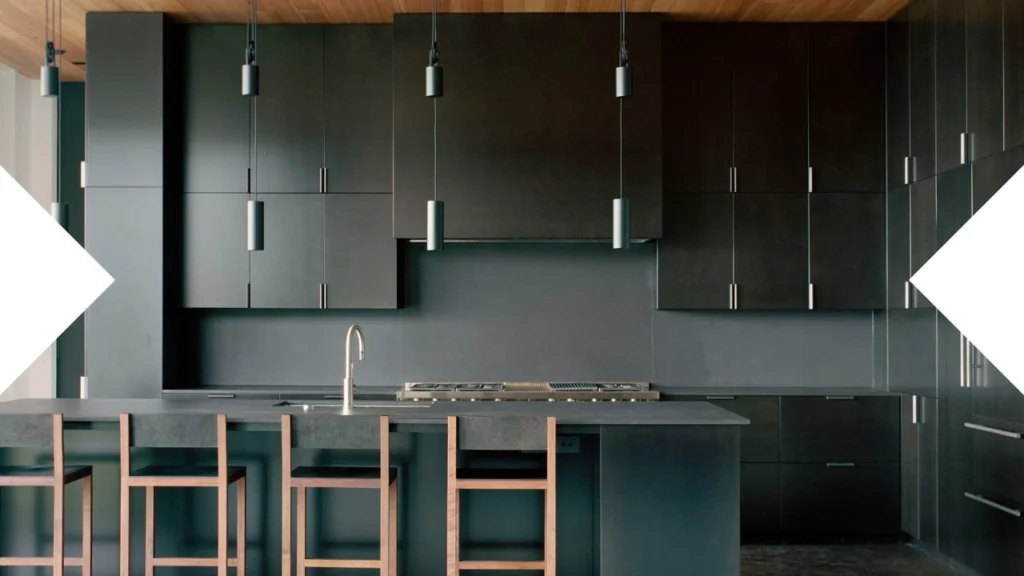
The core of the home is filtered with daylight where the centre water feature helps to cool the air.
- Architects – Olson Kundig
- Location – Sydney, Australia
- Project Year – 2018
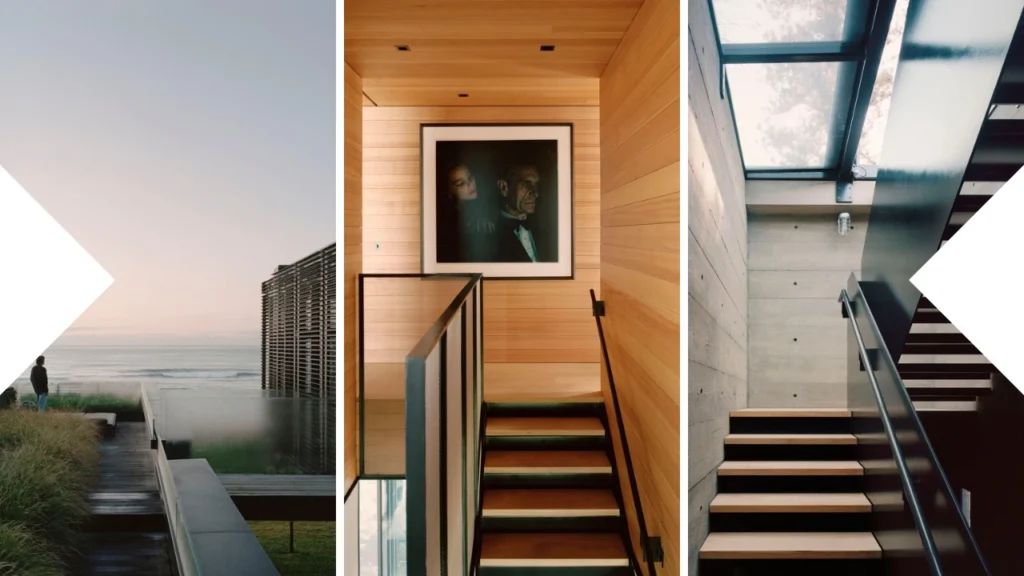
The color of the concrete walls represent the color of the local sands and helping it merge with the natural condition.

Credits
- Project team – Tom Kundig, FAIA, and RIBA
- Design Principal – Kevin Kudo-King, AIA, LEED® AP
- Principal – Simon Clews
- Project Manager and Project Architect – Motomi Kudo-King, Lindsay Kunz and Martina Bendel
- Architectural Staff – Debbie Kennedy, LEED® AP ID+C
- Interior Design – Megan Adams, Casey Hill, Maresa Patterson
FAQs
What I personally love about the Bilgola Beach House is how it blends luxury with nature so effortlessly. The home is built to handle Australia’s harsh coastal climate while still feeling open, airy, and deeply connected to the beach surroundings.
The house was designed by Olson Kundig, a globally recognized architecture studio known for creating homes that connect beautifully with nature and the environment.
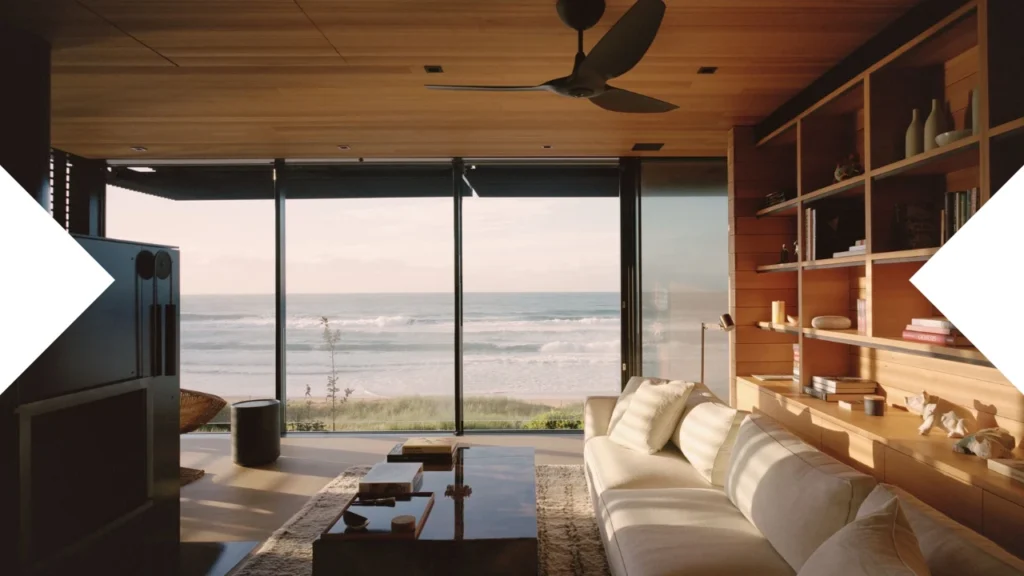
The Bilgola Beach House is located on the northern coast of Sydney, right near Bilgola Beach in Australia. I think the beachfront location plays a huge role in the home’s calm and relaxing atmosphere.
One of the smartest parts of this design, in my opinion, is how it was built to withstand flooding, strong winds, and harsh sunlight. The structure sits on concrete piles, allowing sand and water to move naturally beneath the home during changing weather conditions.
I noticed that the architects used retractable window walls, natural ventilation, shaded outdoor areas, and even a central water feature to create a seamless indoor-outdoor experience. It makes the entire house feel cool, peaceful, and closely tied to the surrounding landscape.
Also Read:
- How To Become A Landscape Architect
- How Did British Revival Architecture Change From The Rococo Style?
- Rio House in Rio de Janeiro By Olson Kundig Architects