
The land of towering fjords and misty mountains—Norway—is a tapestry woven with various cultural influences that make this beautiful land. But Norway is not just about dramatic landscapes and beautiful northern lights. Norwegian Houses have a distinctive harmonious relationship with nature that perfectly blends their culture with eco-friendly practices.
The traditional Norwegian house reflects a patchwork of architectural influences involving Viking traditions, medieval workmanship, and current design principles. From replicating cozy hobbit dwellings to vivid wooden cottages, each narrates a tale. From ancient stave churches to Oslo’s grand structures, Norwegian architecture is a sight to behold—so let’s dig in!
Norwegian Houses & Timber Tradition!
Norway’s architecture reflects the country’s traditions, innovative spirit, and history, harmoniously blending with its love for nature. The stave church is one of the most iconic symbols of a traditional Norwegian House. Constructed during the Middle Ages, stave churches are distinguished by their steep roofs, ornate carvings, and distinctive construction methods.
Built mainly from Norwegian timber, the stave is the vertical structure that stands tall supporting the construction, mostly decorated with biblical carvings.
Undoubtedly, the age of Vikings left a lasting impression on Norwegian architecture, with longhouses, boathouses, and burial mounds that paved the way for modern Norwegian architecture. With the modern change, the architects infused their contemporary styles with historical roots, creating many stunning masterpieces that harmonised with nature.
Modernism and Norwegian Architecture!
A tour through the country’s modern architectural wonders is an exhilarating experience that would spellbound anyone. Strolling amidst Norway’s beautiful landscapes and buildings is just rewarding, and we have some fascinating recommendations for you.
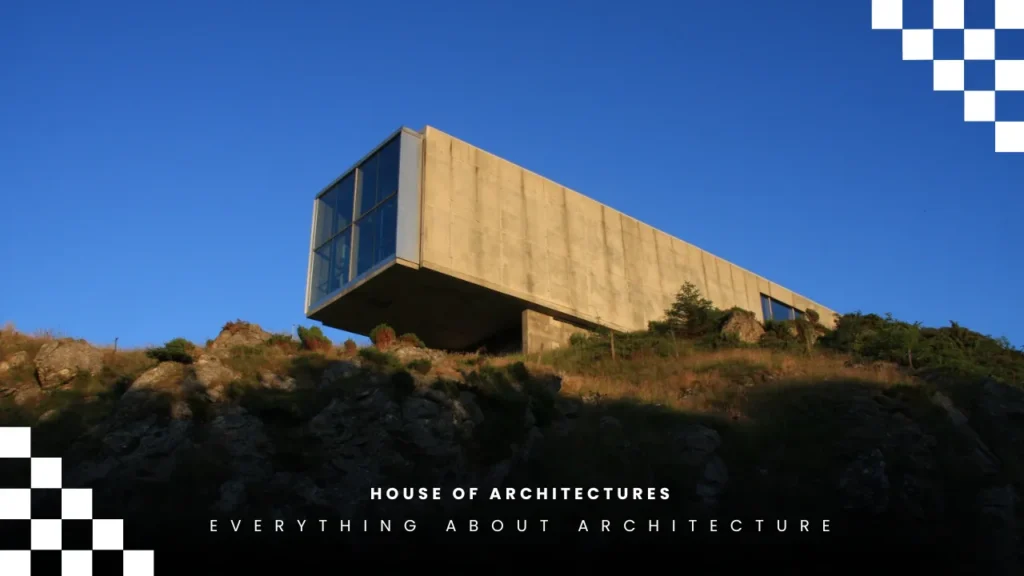
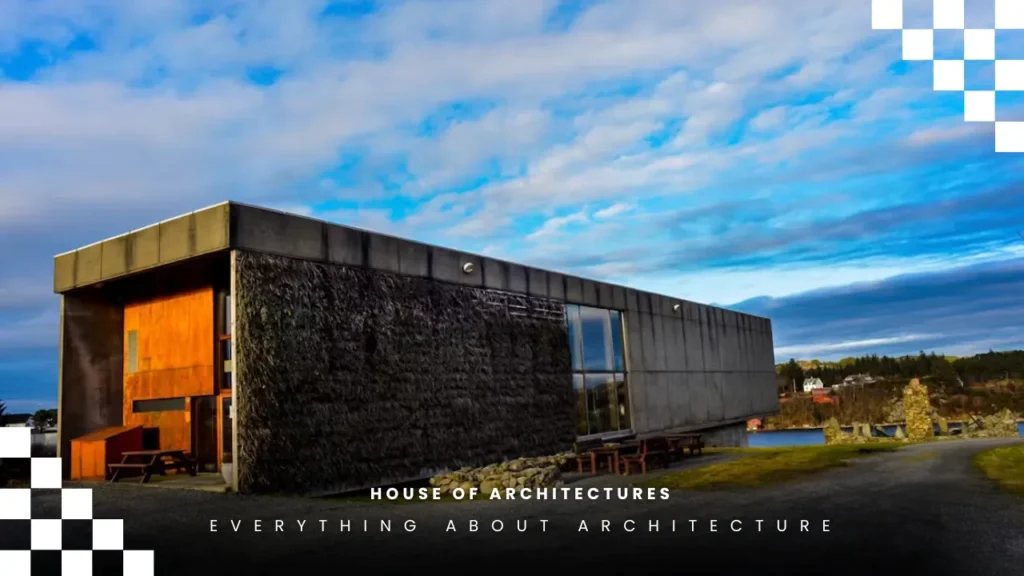
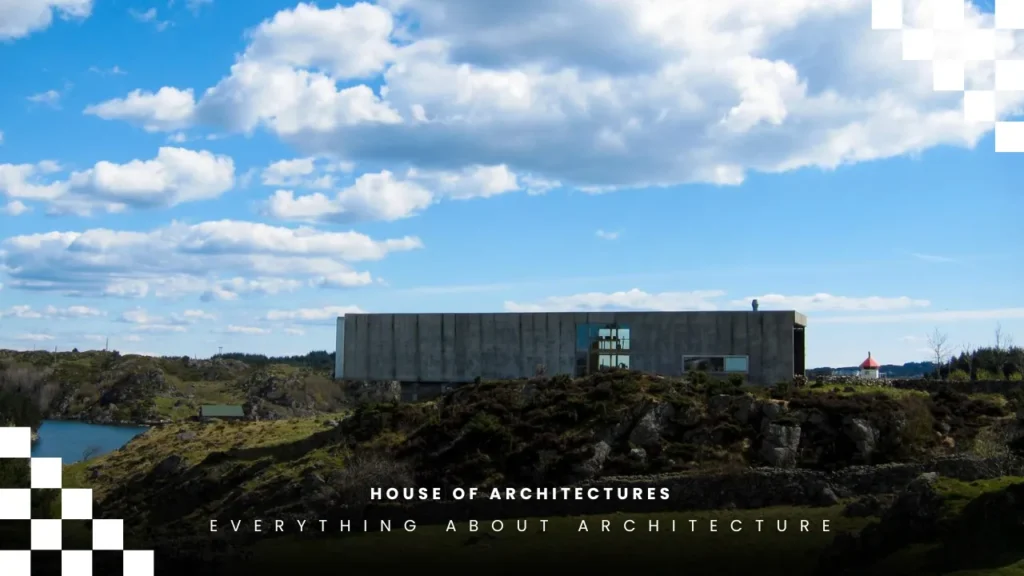
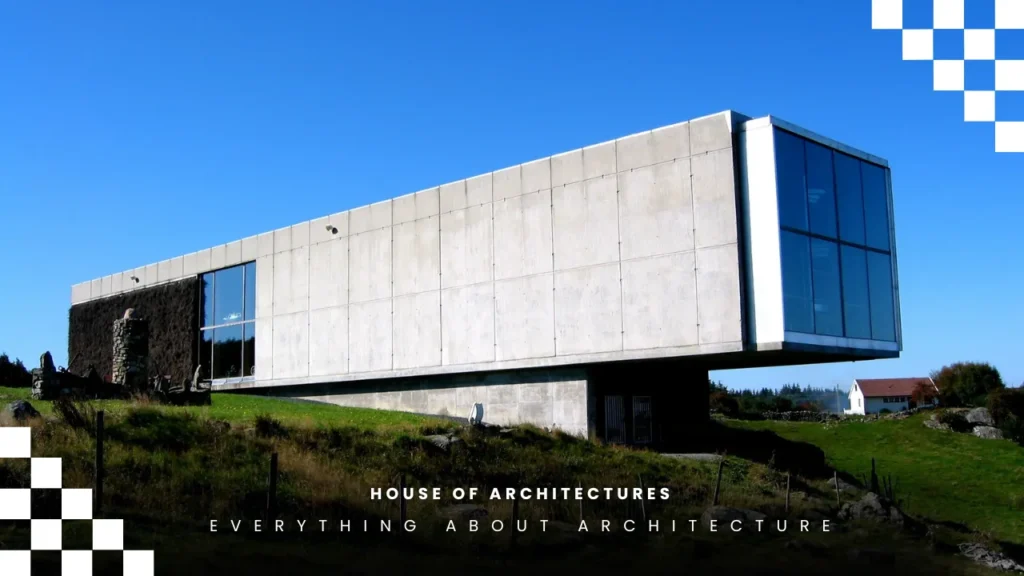
Karmøy Fishery Museum, Rogaland
Cantilevered slightly above the northern sea horizon, stands the magnificent Karmoy Fishery Museum, a monolithic structure of modern Norwegian architecture. A concrete tube-like structure was designed, with entrances from both ends and an interior with an open space that can be reconfigured easily. Made primarily from timber, the design is an ode to Norwegian fishing culture and the boat houses.
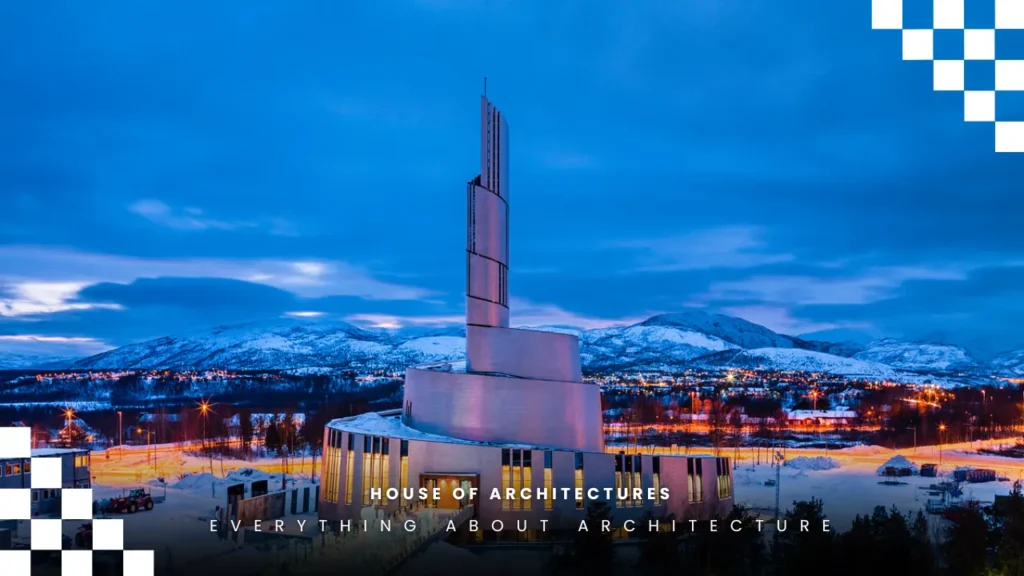
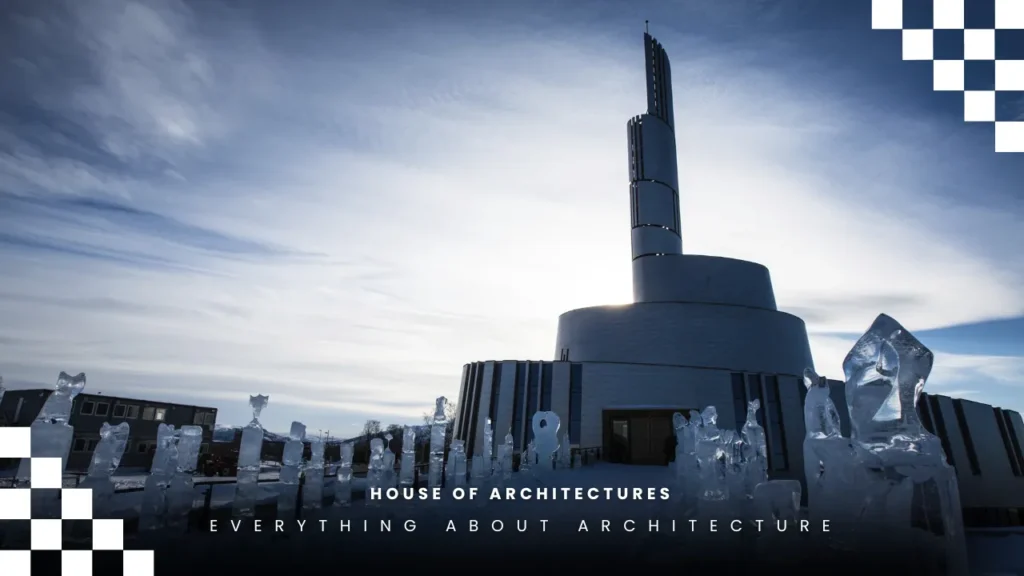
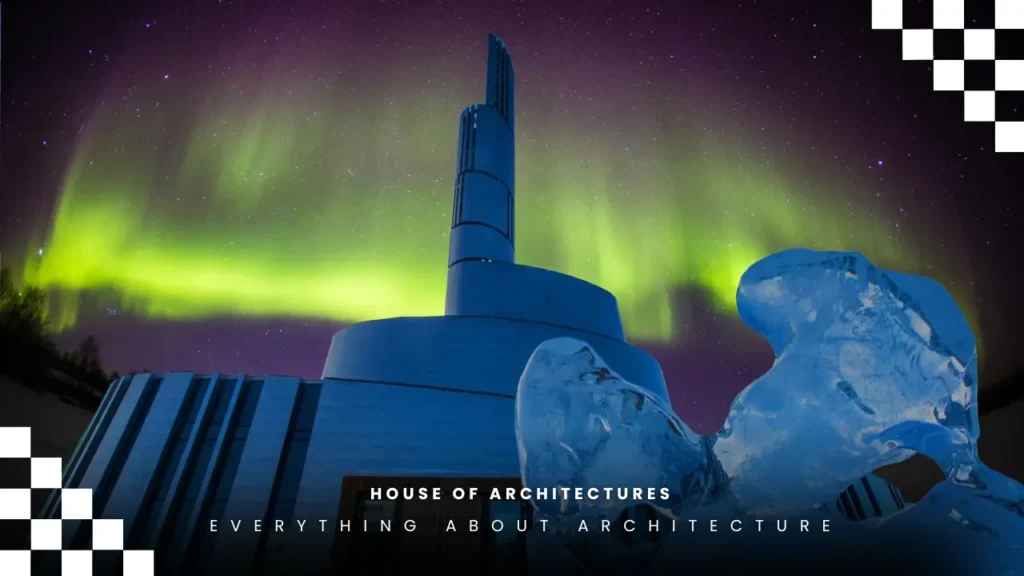
Cathedral of the Northern Lights
Nestled in the heart of Alta, Nordlyskatedralen (Cathedral of the Northern Lights) is a stunning architectural marvel that represents the natural wonder it’s named after. The building’s most fascinating feature is its spiral form, which is covered in glittering titanium and reflects the changing Arctic light. The sleek, metallic surface captures and magnifies the radiance of the sun and the aurora borealis, resulting in a breathtaking interplay of lights and shadows.


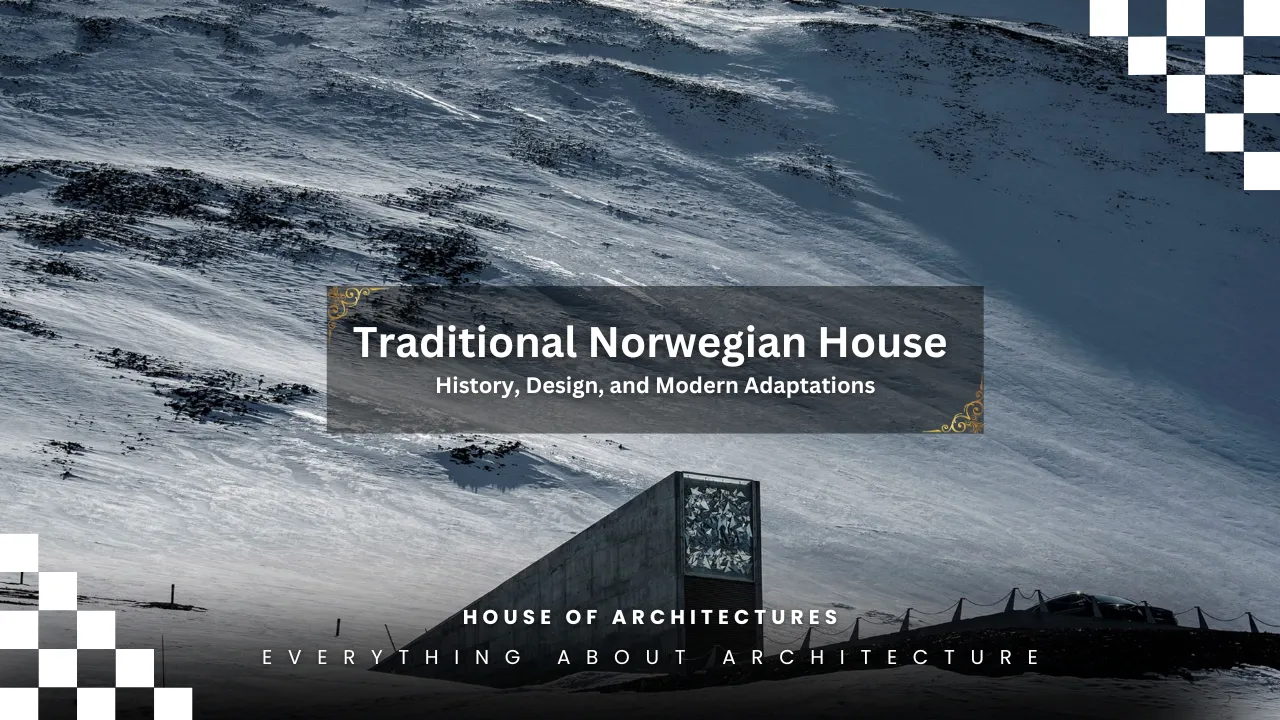
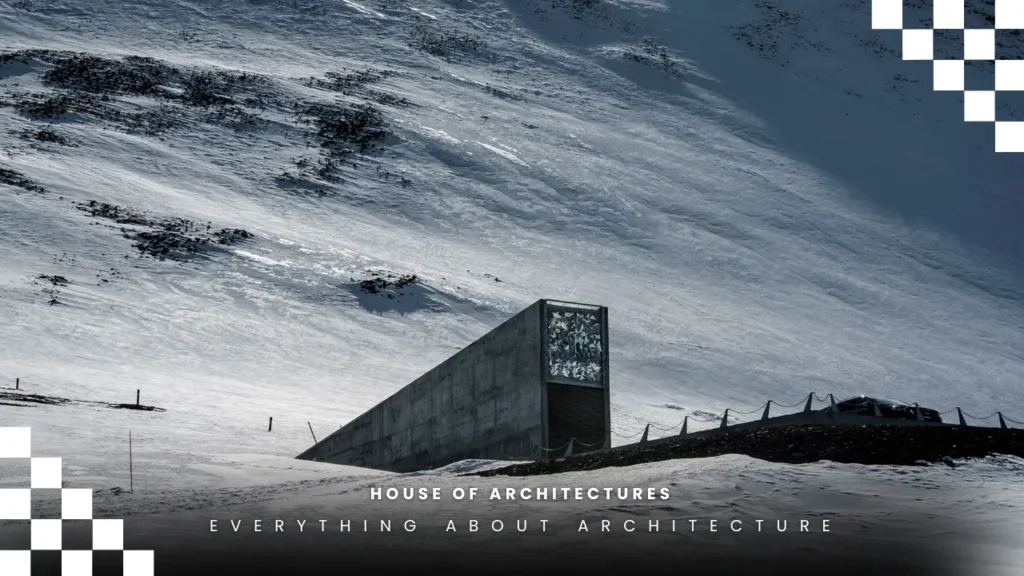
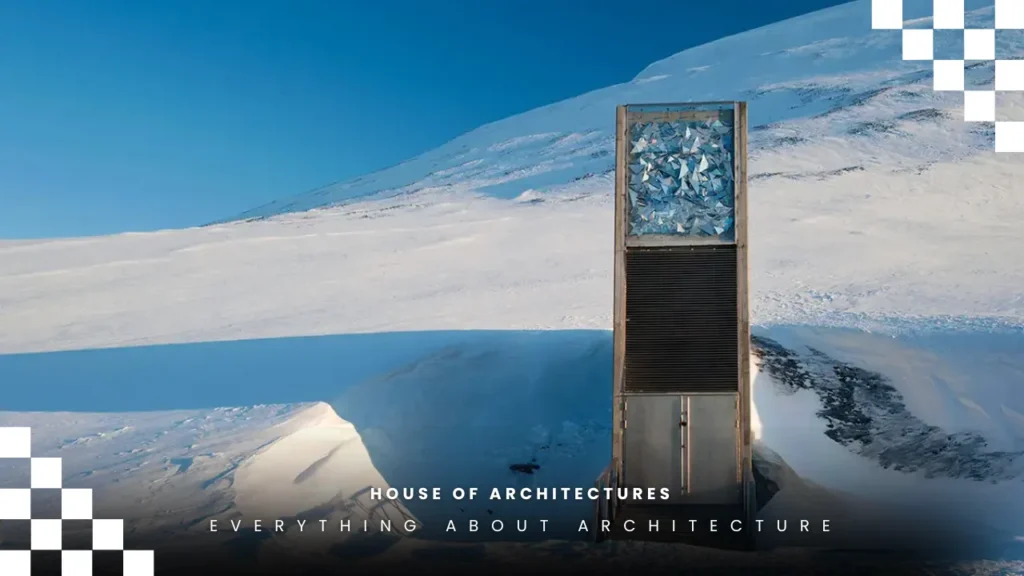
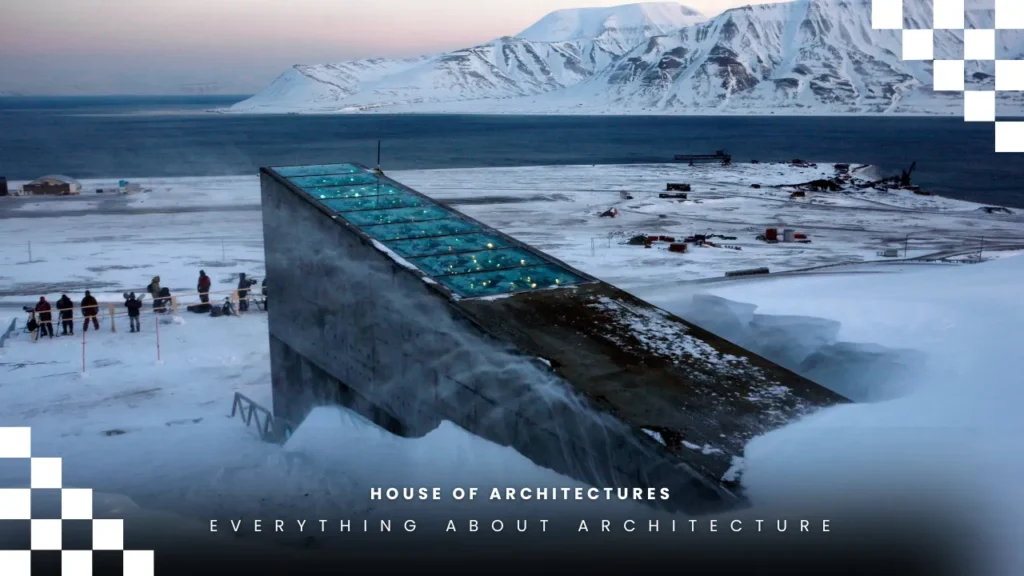
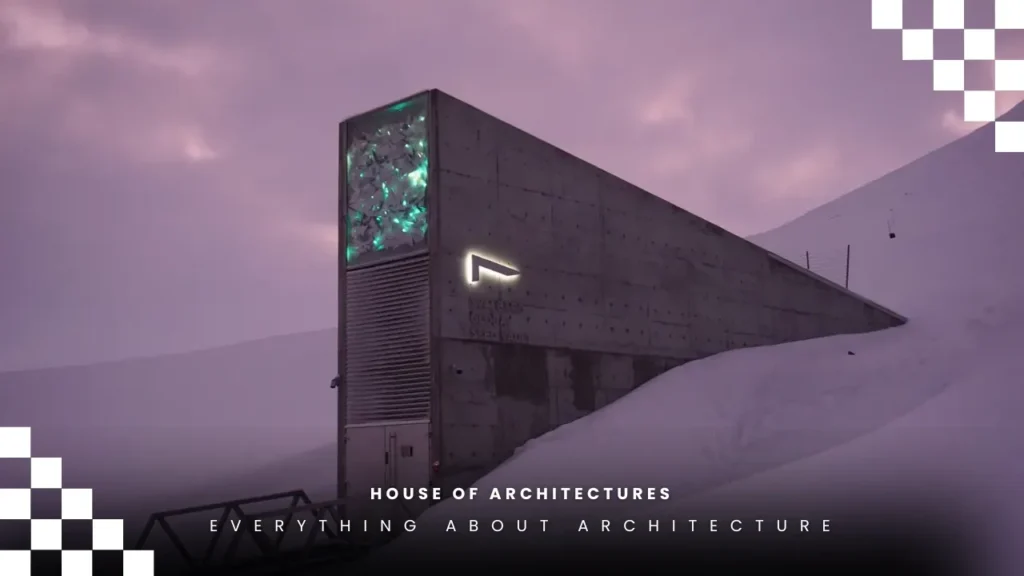
The “Doomsday” Vault, Svalbard
Perfectly perched on the remote island of Svalbard, the famous Global Seed Vault also popular as the “Doomsday” Vault is a scientific and architectural wonder. The entrance, a sleek, angular building embellished with a sparkling art piece, stands out against the rough Arctic environs. Its lit front, visible even on frigid nights, represents hope and worldwide cooperation. The stunning building blends design, purpose and function effortlessly demonstrating humanity’s foresight and commitment to preserving life on Earth.
Norway Awaits Your Discovery!
Norway’s architecture is as varied and breathtaking as its scenery. Each structure conveys a distinct tale about persistence, ingenuity, history, and a strong connection to the environment. Norway’s hidden architectural gems are not locations they are the invitation to discover, learn, and be inspired – so pack your bag of curiosity and fly to enjoy the traditional Norwegian House architecture.
FAQs
I think the biggest reason is the use of natural materials like wood, stone, and turf roofs. Traditional Norwegian homes are designed to handle cold weather while still feeling warm and comfortable inside. Large fireplaces, earthy colors, and compact layouts make these homes feel incredibly inviting.
From what I’ve noticed, Norwegian houses often focus more on mountain-style architecture and weather protection. Steep roofs, wooden cladding, and smaller windows were traditionally used to survive heavy snow and freezing temperatures. Compared to other Scandinavian styles, Norwegian homes usually feel a little more rustic and nature-connected.
I personally love how timber gives these homes a natural and timeless appearance. Norway has a long history of using wood because forests were easily available and wood works well in cold climates. It also adds insulation and creates that warm cabin-like atmosphere many people admire today.
Yes, in many ways they are. Even older Norwegian homes were designed carefully to retain heat during long winters. Thick wooden walls, compact room layouts, and sloped roofs helped improve energy efficiency naturally. Modern versions now combine those traditional elements with advanced insulation and sustainable technology.
Absolutely. I think that’s why this style has become so popular worldwide. Features like exposed wood beams, minimalist interiors, neutral tones, and cozy lighting work beautifully in modern homes. Even adding small elements like a Scandinavian fireplace or natural wood façade can bring that Norwegian charm into contemporary architecture.
Also Read:
- Faze Rug House – Where does Faze Rug Live?
- Billie Eilish House – Where does Billie Eilish Live?
- Celine Dion House – Where Does Celine Dion Live?
Image Credits Disclaimer:
All images used in this article are sourced from Google. If you are the owner and would like credit or have concerns regarding the use of an image, please contact us for proper attribution or removal.
 Mohak
Mohak